Christmas Candy Cane Seamless
A Designer’s First Look: Clean, Cheerful, and Ready for Stitching
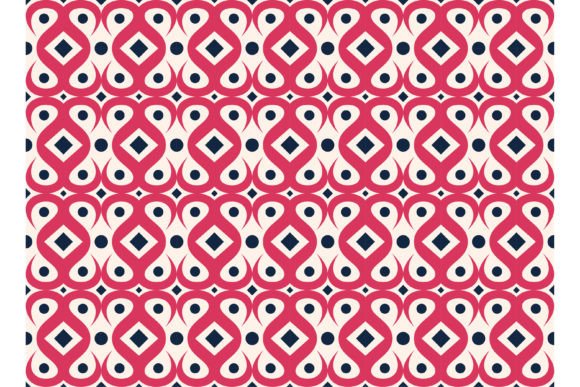
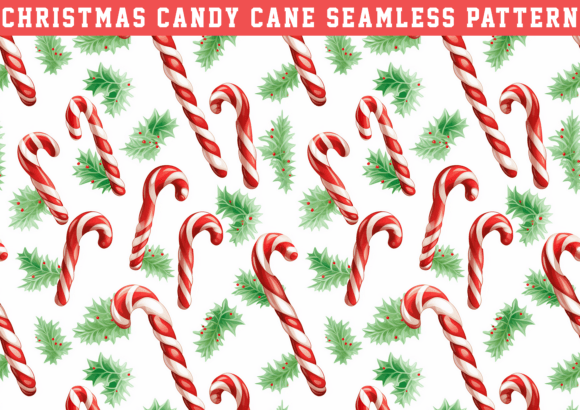
When I opened Christmas Candy Cane Seamless, my first thought wasn’t “cute holiday graphic”—it was “this will stitch cleanly on a medium-weight cotton tote.” That’s the sign of a well-conceived embroidery design: it reads as both visual pattern and physical possibility. The seamless repeat is subtle but effective—no hard edges or awkward breaks, just smooth rhythm. It feels festive without leaning into kitsch, balanced enough to sit comfortably on baby onesies or boutique aprons alike. As a designer who’s stitched hundreds of holiday motifs, I appreciate how this one avoids overcrowding while still delivering presence. It’s not fussy. It’s not minimal to the point of blandness. It’s just right.
Where It Shines in Real Projects
I recently used Christmas Candy Cane Seamless to develop a limited-run embroidered tote bag collection for a local gift shop—and it performed exactly as expected. On 10-oz canvas, with medium tear-away stabilizer and standard 40-weight polyester thread, the motif held crisp definition across 8-inch repeats. The curves translated beautifully into satin stitch, and the white/red contrast popped even on natural unbleached fabric. I also tested it on a lightweight cotton sweatshirt (with cutaway + topping), and the result looked polished—not stiff, not washed out.
It works especially well for:
- Embroidered patch production—clean lines mean sharp edges when trimmed, and the repeat gives flexibility for varying patch sizes;
- Baby embroidery—soft scale, no tiny fragile details that snag or fray;
- Holiday kitchen towels and tea towels—the rhythm reads clearly at arm’s length, and the design doesn’t compete with functional stitching;
- Small shop product branding—it adds seasonal warmth without overwhelming your logo or shop name on tags or packaging;
- Printable mockups—that 2000x2000px JPG at 300 DPI renders crisply in Canva, Adobe Express, and Procreate, so your Etsy listing visuals look professional before you stitch a single item.
Where to Proceed Thoughtfully
Christmas Candy Cane Seamless is versatile—but not magic. Like any strong design asset, it asks for thoughtful pairing. On stretchy knits (think t-shirts or baby bodysuits), use light fusible + topping to prevent puckering, especially where the candy cane curves meet. On dark fabrics, test thread contrast first: standard red may dull on navy or charcoal; consider switching to a brighter cherry red or even a metallic gold accent for visibility. And avoid using it full-scale on curved surfaces like caps unless you’re willing to break the repeat manually—those tight arcs don’t always translate smoothly across dome-shaped hoops.
Also keep in mind: because it’s a seamless design, scaling down too far (under 3 inches wide) risks losing legibility in corners and curve transitions. If you’re planning a delicate embroidered cuff or baby hat band, consider isolating a single candy cane unit instead of repeating the full pattern.
What It Adds to Your Handmade Product—and Your Customer’s Experience
This isn’t just decoration—it’s quiet storytelling. A customer buying a towel with Christmas Candy Cane Seamless isn’t just getting holiday flair; they’re getting cohesion, intention, and craft-aware design. That shows up in photos, in unboxings, in social shares. I’ve seen handmade sellers report higher engagement when their holiday items feature repeat patterns like this—because the rhythm feels intentional, not slapped-on. It elevates perceived value without demanding premium pricing.
For Etsy sellers and small shop owners, that consistency matters. Whether you’re offering matching pillow covers and oven mitts or bundling embroidered onesies with bibs, Christmas Candy Cane Seamless builds visual trust. Customers recognize the motif across categories, reinforcing your brand as thoughtful and detail-oriented—even if they can’t name why.
Practical Notes Every Embroidery Designer Should Check
Before committing to a full run—or listing your finished product—here’s what I do every time with a new digital embroidery file like Christmas Candy Cane Seamless:
- Test on scrap fabric first—same weight, same finish, same stabilizer combo you’ll use in production;
- Check thread color contrast on both light and dark backgrounds (a simple black-and-white mockup reveals readability issues fast);
- Review stitch density visually—even though we only have the JPG, zoom in: are there areas where fill stitches might crowd or blur? (In this case, the spacing is generous and forgiving);
- Confirm hoop size compatibility—if you plan large repeats, make sure your machine supports them (or be ready to split the file);
- Inspect corner integrity—does the seamless edge hold clean geometry when tiled? (Yes—it does, consistently);
- Verify licensing terms—since this is a digital embroidery file sold as a Graphics/Patterns asset, confirm whether commercial use is permitted for finished goods (always check the seller’s policy before selling embroidered products);
- Use proper stabilizer—medium-weight cutaway for stable fabrics, tear-away + topping for knits or nap;
- Compare light/dark fabric backgrounds in mockups—this design gains warmth on cream, clarity on black, and charm on heather grey.
Final Thought: A Reliable Workhorse, Not Just a Holiday Gimmick
Christmas Candy Cane Seamless won’t win awards for avant-garde innovation—but it doesn’t need to. It wins where it counts: in the stitch-out, on the shelf, and in the hands of someone choosing a handmade holiday gift. It’s the kind of design that makes your craft business feel cohesive, your client projects feel considered, and your holiday lineup feel effortless—not overdesigned. For embroidery designers, Etsy sellers, and small shop owners who value reliability as much as charm, this is one digital embroidery file worth keeping in your working library year after year.