Ornate Floral Divider
First Impressions: Elegance That Demands Intention
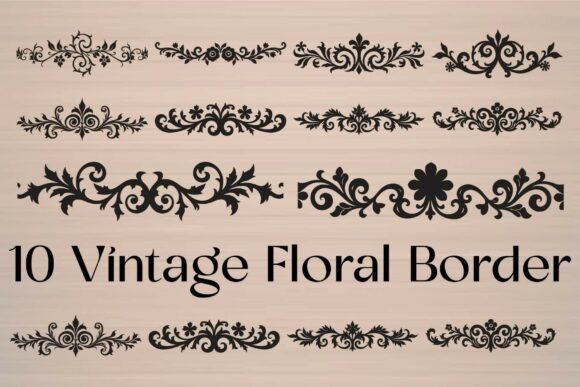
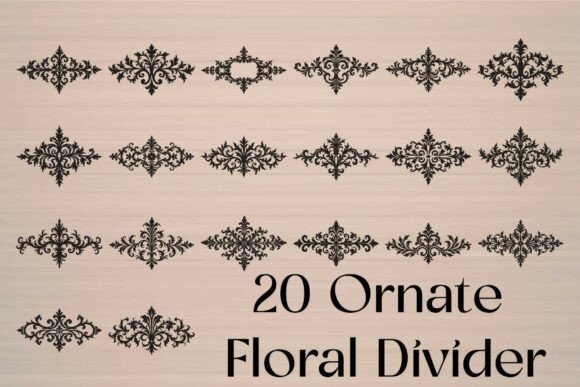
When I opened the Ornate Floral Divider collection, what struck me wasn’t just the prettiness—it was the quiet confidence in its symmetry and restraint. These aren’t busy filler motifs; they’re 20 carefully composed dividers that breathe space into a design while anchoring it with vintage grace. Think delicate scrollwork meeting balanced floral geometry—petals drawn with precision, stems that curve like calligraphy, and flourishes that suggest hand-drawn ink rather than digital repetition. It’s the kind of machine embroidery design that feels intentional, not decorative afterthought. I immediately pictured it framing monogrammed initials on a linen tea towel or separating sections of text on a boutique baby onesie.
A Real-World Test: Embroidering a Linen Tote for a Local Gift Shop
Last week, I used one of the mid-size Ornate Floral Divider designs as a central accent on a natural linen tote bag—part of a small batch for a neighborhood gift shop. The goal? Elevate a simple canvas without overwhelming it. I chose a symmetrical, medium-width divider (about 3.5" wide) to sit just above the bottom seam, acting as a subtle visual pause before the shop’s logo. On screen, it looked refined. In stitch? Even better—when hooped with medium-weight cutaway stabilizer and stitched in soft ecru cotton thread, the satin stitch petals held crisp edges, and the fine running-stitch tendrils read clearly against the fabric’s gentle texture. Customers noticed it—not as “embroidery,” but as *care*. That’s the quiet power of Ornate Floral Divider: it signals craftsmanship without shouting.
Where It Shines—and Where It Asks for Thought
Ornate Floral Divider excels in contexts where elegance supports storytelling: personalized gifts, bridal shower napkins, boutique aprons, nursery wall hangings, or holiday tea towels. Its balanced proportions make it ideal for sweatshirt embroidery (centered above a pocket), embroidered patch borders, or framing names on baby blankets. Because many motifs rely on clean line work and moderate fill stitch density, it translates well across fabric types—especially stable weaves like cotton poplin, twill, or medium-weight linen.
But—and this matters for real project success—don’t reach for Ornate Floral Divider when you’re stitching on ultra-thin voile, heavily textured terry cloth, or highly stretchy jersey without testing first. Delicate flourishes can blur or pucker if stabilizer isn’t matched precisely to fabric behavior. On dark fabrics, check how fine details hold up in thread: a light gold or ivory may disappear unless you adjust underlay or add a light backing stitch. And on curved surfaces—like the front panel of a structured cap—the outermost scrolls may distort slightly unless digitized with gentle contouring (verify this in your embroidery file preview).
Design Judgment: Beyond Pretty—What It Says About Your Work
Using Ornate Floral Divider isn’t just about adding decoration—it’s a subtle brand signal. For Etsy sellers and small shop owners, it quietly communicates attention to detail, historical awareness, and respect for handmade presentation. When stitched cleanly on a kitchen towel or pillow cover, it lifts perceived value without raising price points. Customers trust products that look *considered*, and this collection delivers that instinctively. It also plays well with other design assets: pair it with classic serif fonts for wedding gifts, or layer it lightly behind watercolor-style lettering in printable mockups for digital product previews.
Practical Notes Every Embroidery Designer Should Run Through
- Always test first: Stitch one motif on scrap fabric matching your final project’s weight, weave, and stretch—especially for custom apparel or baby embroidery.
- Check thread color contrast: Ornate Floral Divider relies on clarity in line and form. Avoid low-contrast combos (e.g., light gray on heather charcoal) unless you’ve verified legibility post-stitch.
- Review stitch density: Some motifs include tight fill areas near floral centers. Confirm your machine handles them smoothly at normal speed—no skipped stitches or thread breaks.
- Confirm hoop size and placement: Several designs span 4–5", so measure your intended location before hooping. Don’t force a wide divider onto a narrow tote strap or tiny baby onesie cuff.
- Inspect small details: Zoom in on corners, stem ends, and flourishes in your embroidery software. Are anchor points clean? Do running stitches taper naturally?
- Test black-and-white mockups: This reveals balance and rhythm faster than color. If it reads as calm and cohesive in grayscale, it’ll translate beautifully in thread.
- Use proper stabilizer: Medium cutaway for stable fabrics; tear-away + topping for napped or fuzzy surfaces like fleece or terry.
- Verify licensing: Since Ornate Floral Divider is categorized as Graphics within Crafts, confirm whether commercial use—especially for finished products sold on Etsy or at craft fairs—is explicitly permitted before production.
Final Thought: A Quiet Anchor for Meaningful Making
Ornate Floral Divider won’t solve every design challenge—but it solves a very specific, very human one: how to mark transition, honor tradition, and add grace without clutter. It’s not flashy. It doesn’t trend-hop. What it does is hold space—on fabric, on product, on the customer’s eye—with dignity. Whether you’re stitching a holiday embroidery set for your own shop, prepping a custom embroidered patch for a local café, or building digital embroidery files for fellow designers, this collection earns its place not as filler, but as foundation. Use it thoughtfully, test it honestly, and let its quiet symmetry do the speaking.